
Probably Perfect
How CLAUDE and BLENDER are revolutionising 3D visualisation
AI produces random results. 3D is pure precision. Bring the two worlds together and it turns revolutionary.
Before
Before
Photography is precise, but it needs the product, the setup and the right moment. In a 3D application, every element of the scene stays adjustable instead — viewing angle, lighting, materials, weeks after the first image. That freedom came at a price: operating the software took years invested in parameters, shaders and scripts. People with that training are rare and fully booked, and their calendar decides when a campaign gets its images.
The cost sits less in the invoice than in the loop: brief goes out, days pass, the result comes back, and the image height turns out not to work in the layout — so round it goes again. Every correction costs another pass through someone else's calendar.
Now
Now
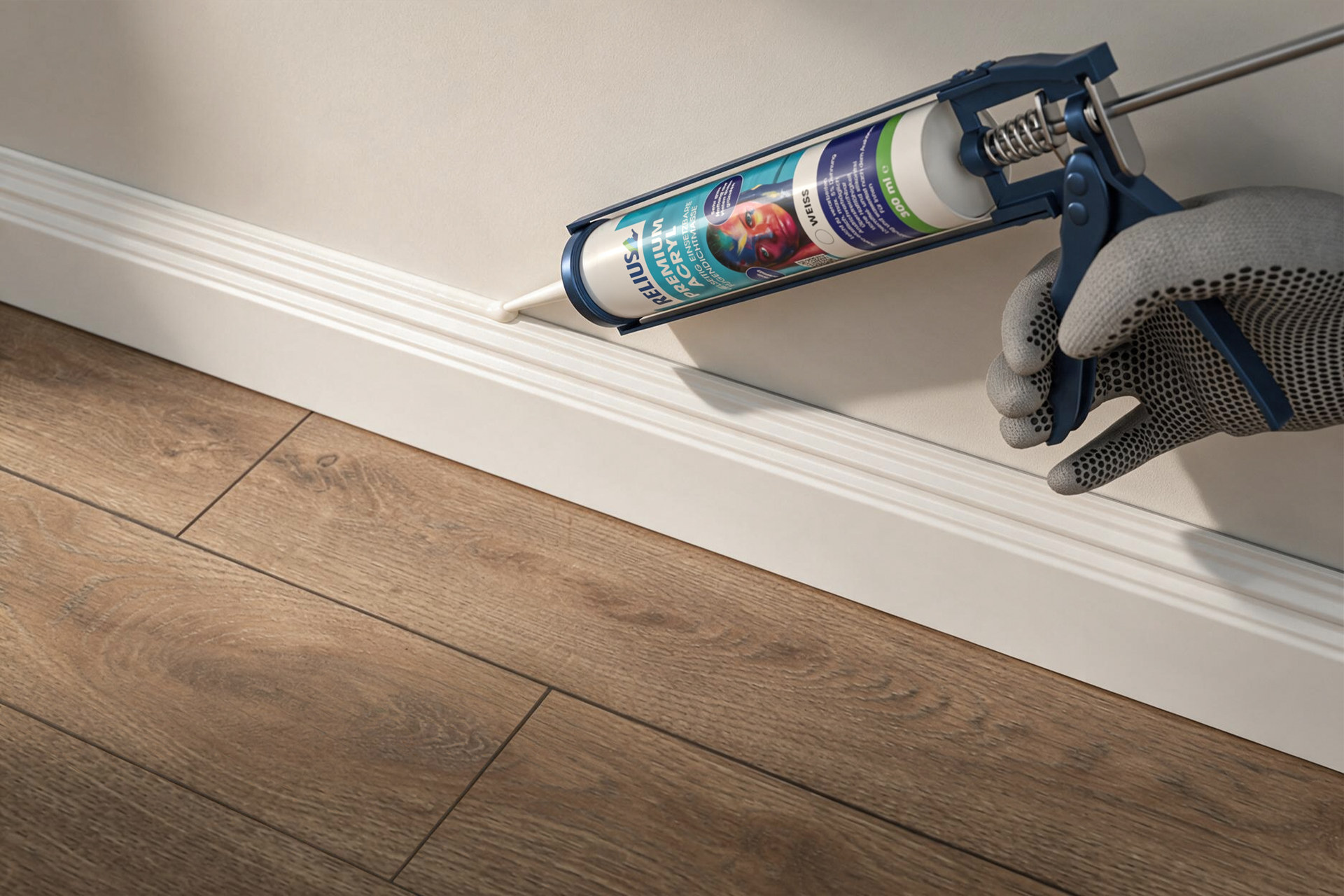
For this visual, no human operated Blender. The scene was built by Claude, driving the application through an interface — headless, with no window open. Cartridge, label, skirting board, wall plaster, caulking gun, lighting, camera: all of it through instructions in plain language. The final polish comes from AI again: a generative pass lays light and material response over the clean rendering, without touching geometry or label.
That shifts the requirement. Mastery of the tool is no longer what decides — judgement is: seeing that the wall tone runs a shade too cool, that the bead starts too early, that the skirting cuts in too high. Whoever sees that can say it, and no longer needs to be able to build it.
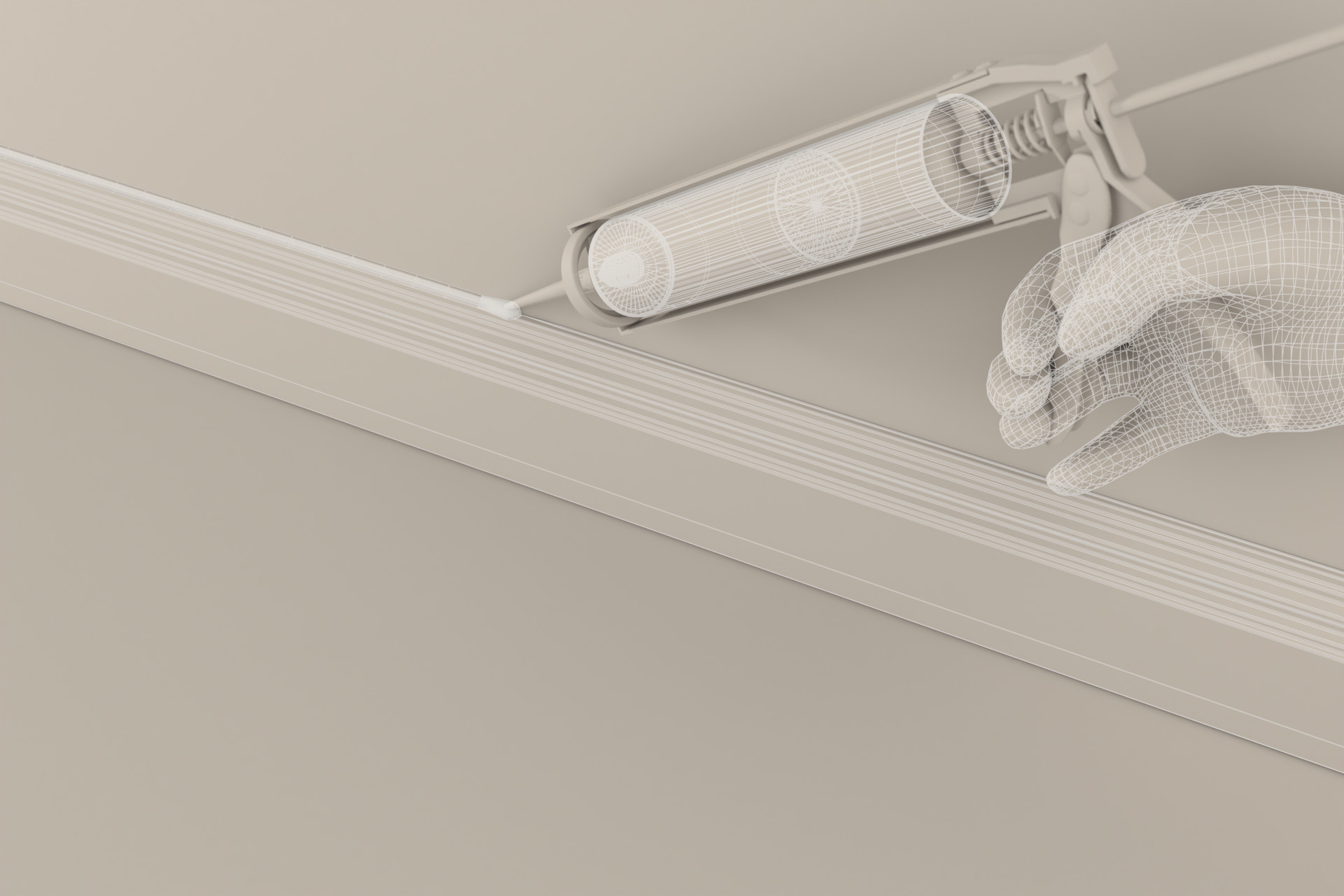
The hand
The hand
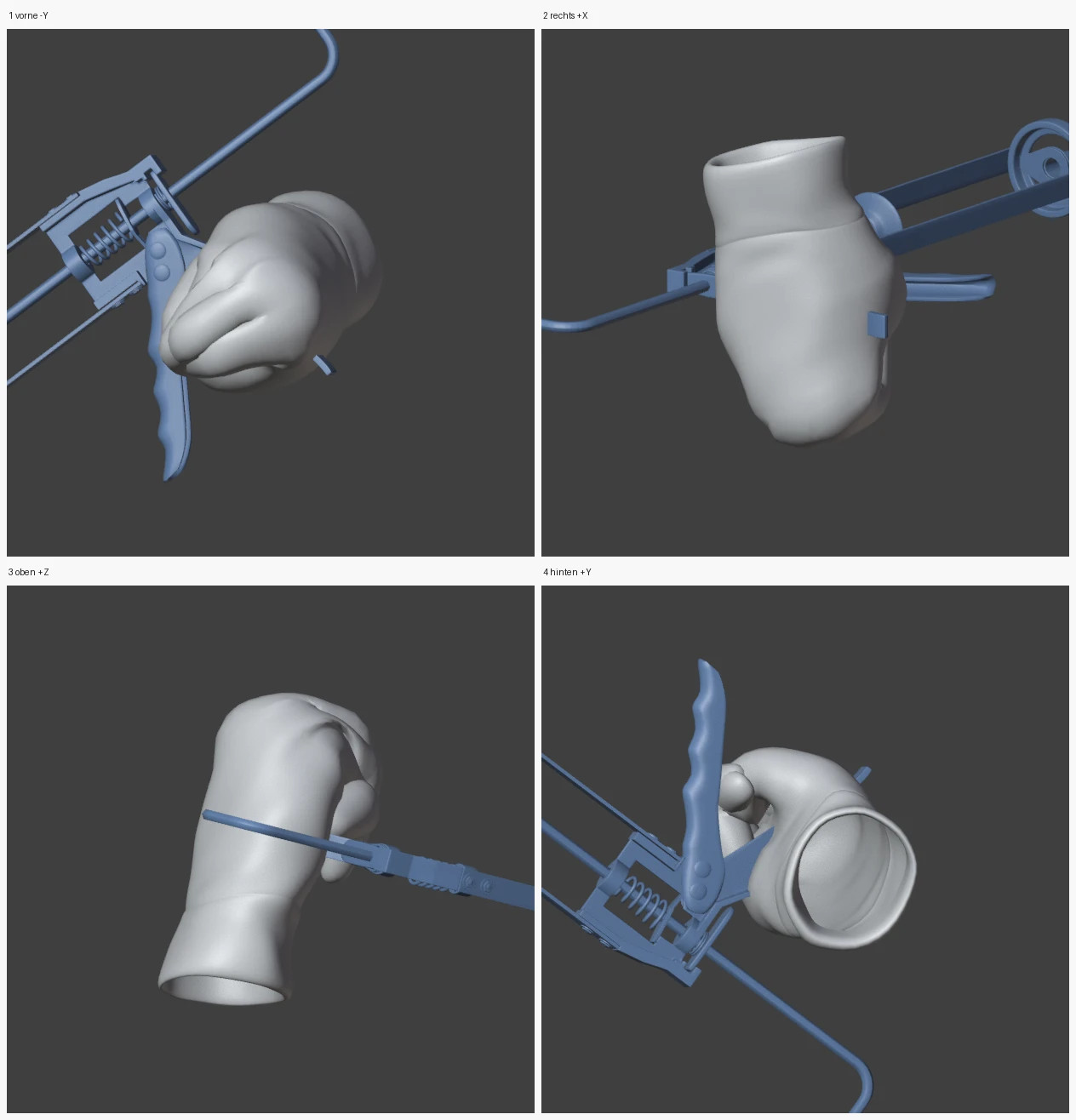
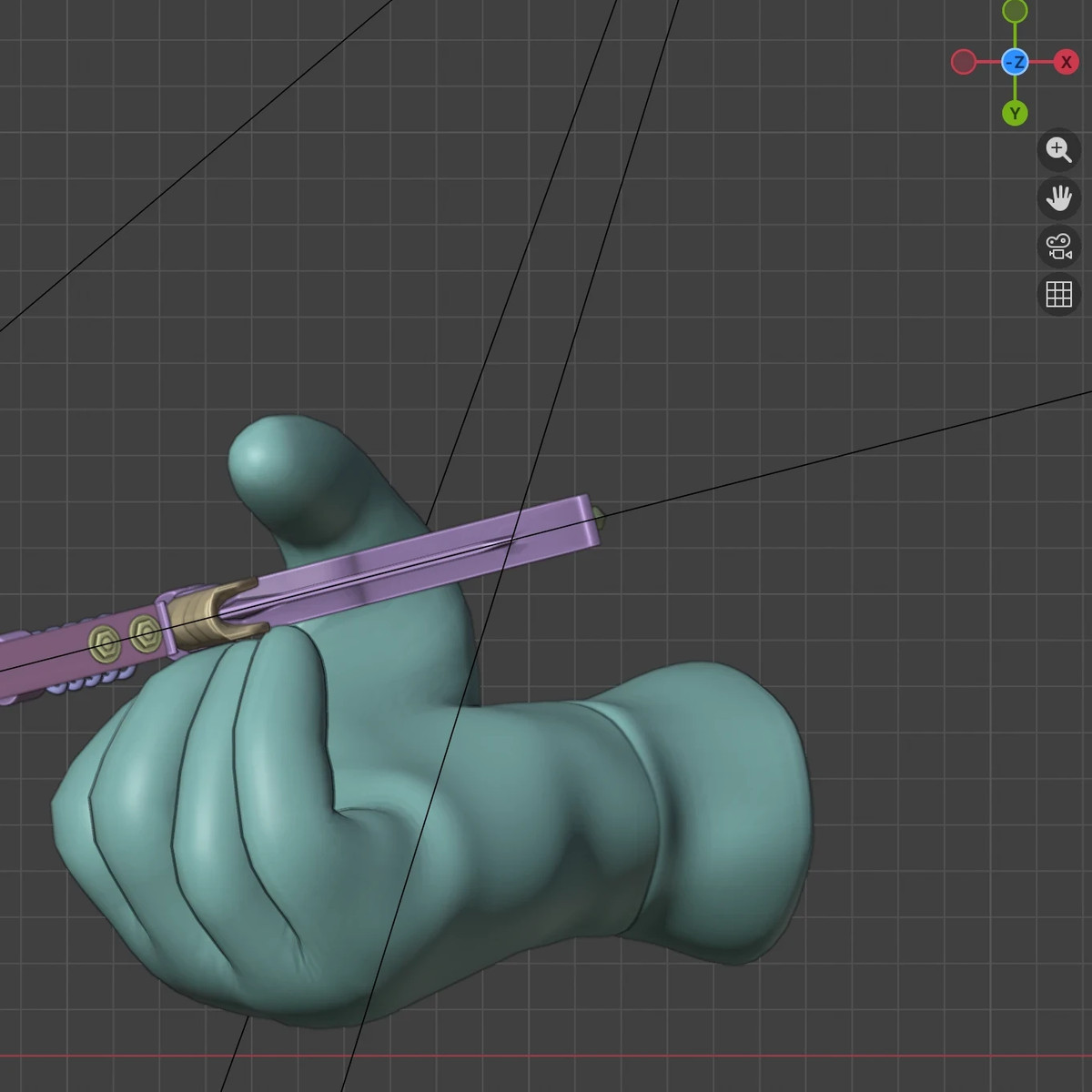
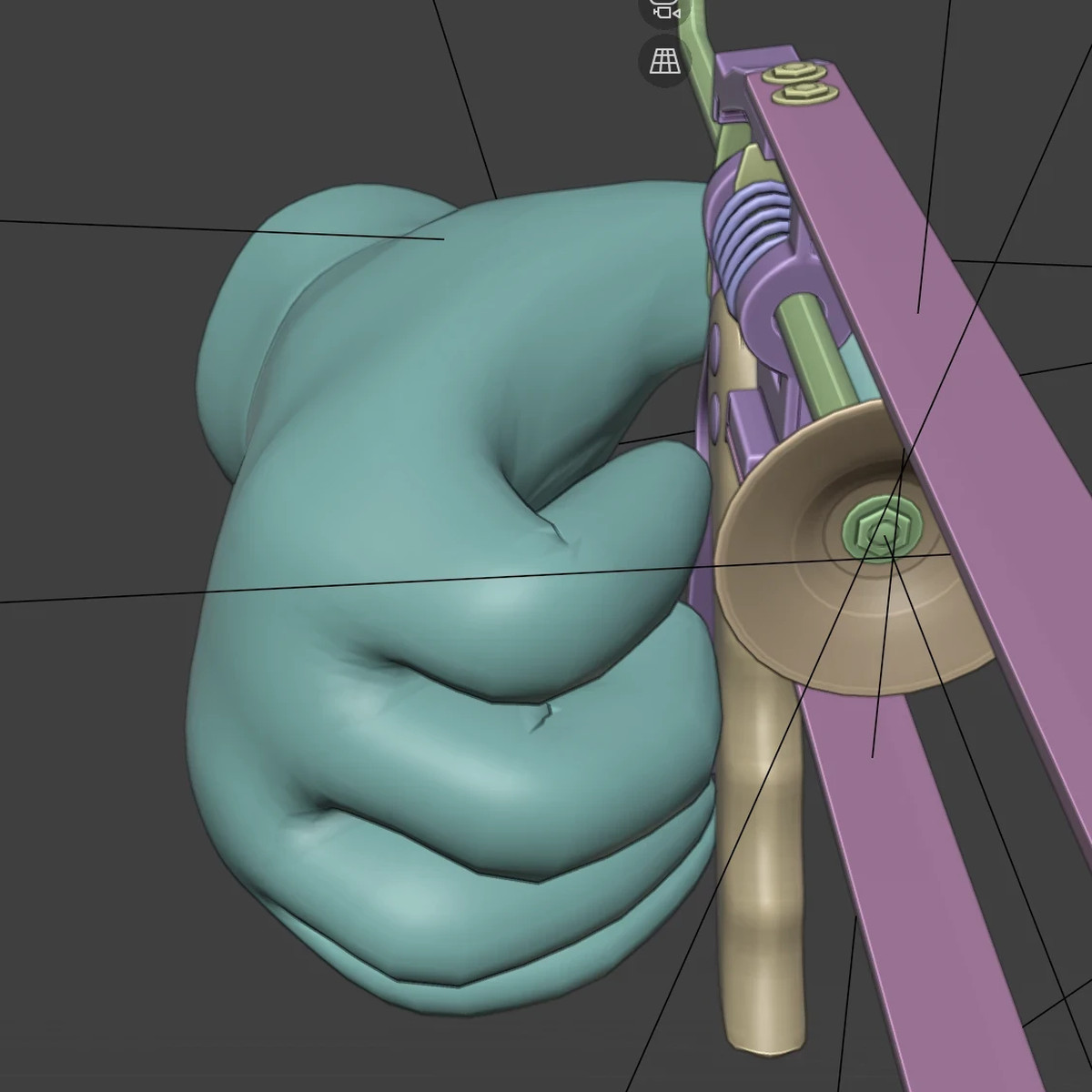
Everything ran automated — except the hand. For the hand pose the Blender window stayed open, and the steering went command by command: middle joint, ring finger, plus five degrees. The machine executes that exactly. Whether it looks right afterwards, only a human can see.
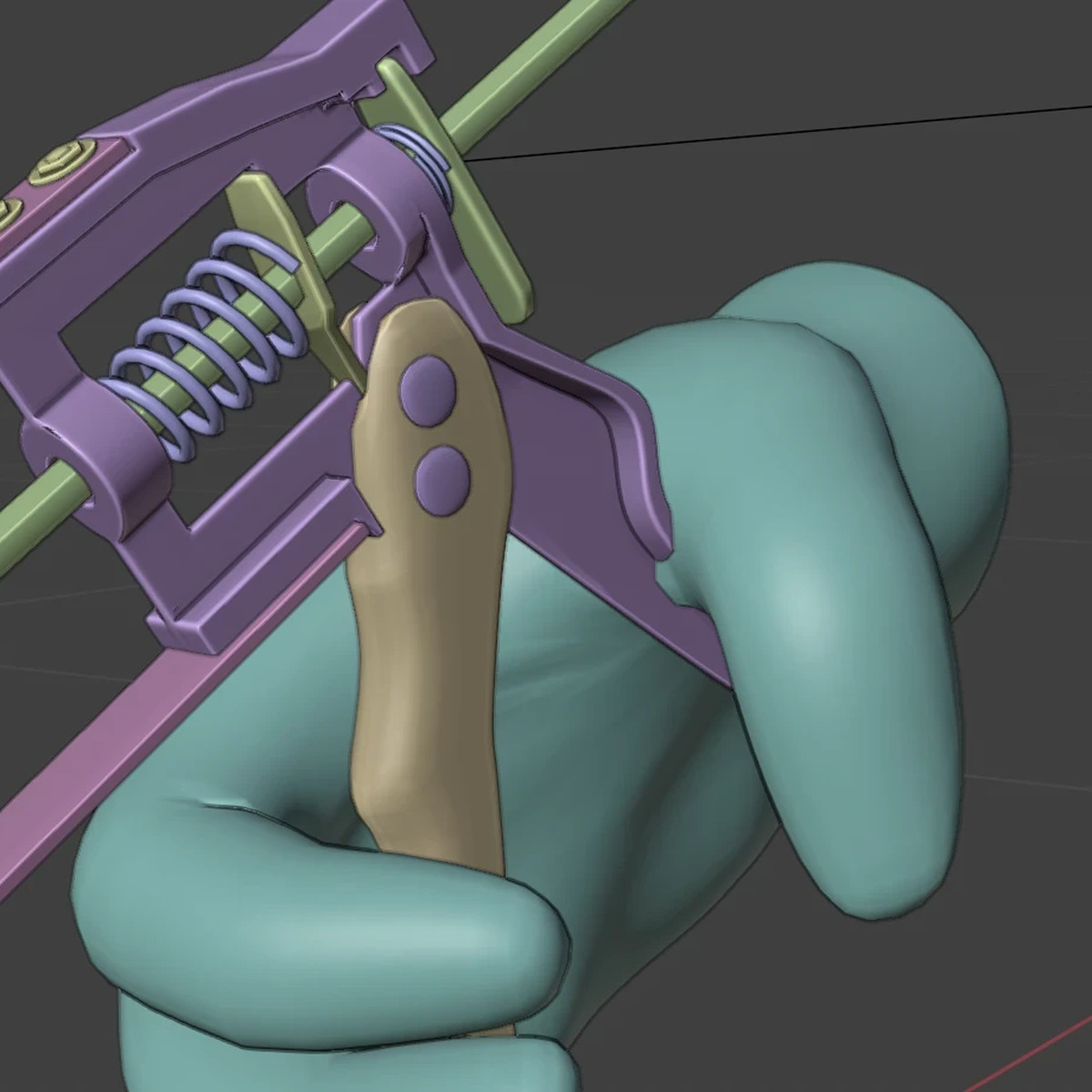
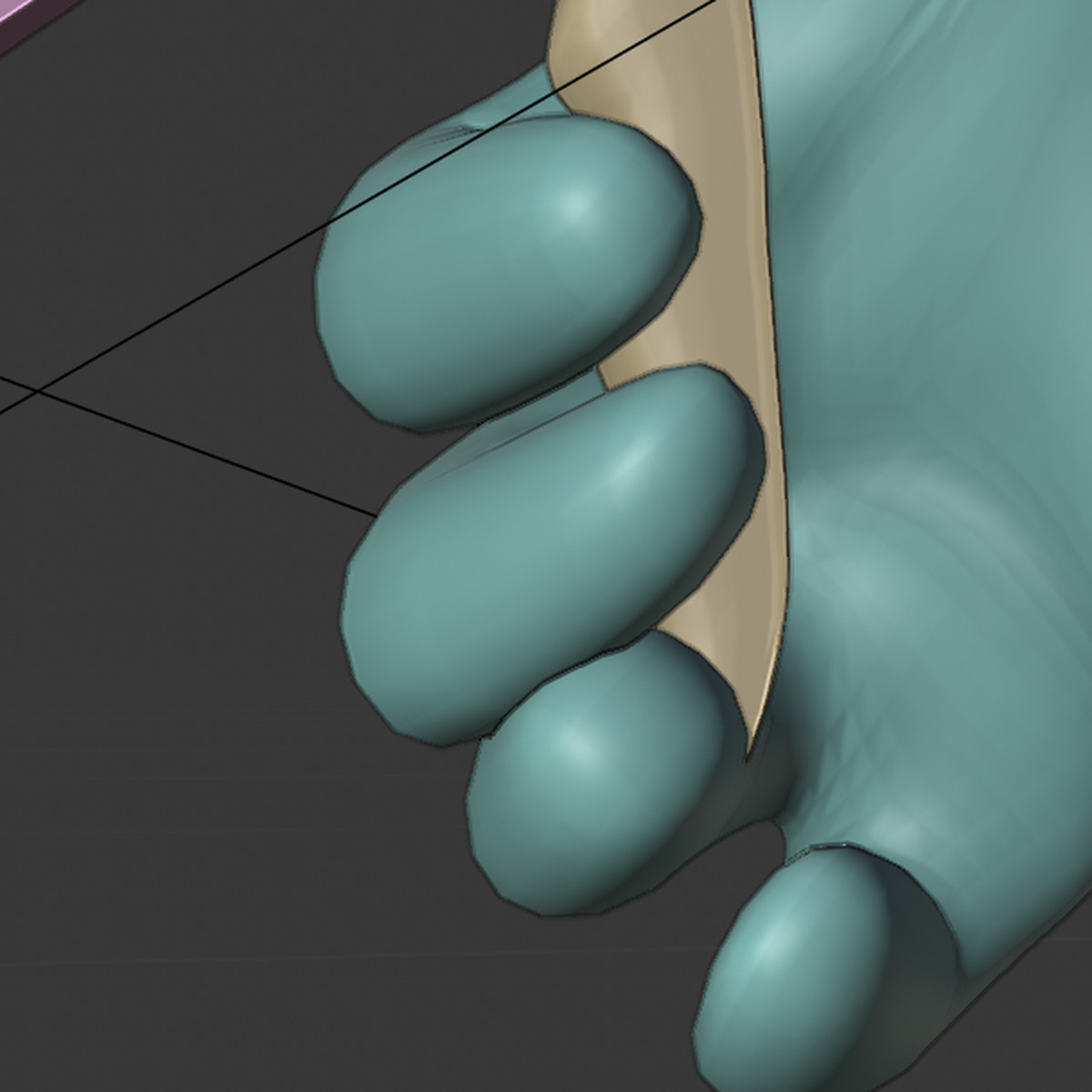
The project archive holds the trail. Ten named intermediate states for this one hand, plus a separate file just for trying out the pose. The filenames read like a log: before the hollow search, grip hollows, grip hollows v2, v3, hand rotation, milestone grip hollows, thumb and fingertips, hand on grip, hand position approved. Grip hollows are the places where the fingers visibly press into the plastic. Without them, the hand rests on the grip instead of holding it.
Result
Result
Demanding scenes still belong in the hands of 3D specialists; that has not changed. What has moved is the threshold below it: visuals like this one come together where the campaign is made — without anyone having to master the software in detail. What it takes is a trained eye and the patience to keep adjusting until it sits.
The real gain is that the image stays in one pair of hands. Anyone looking after website, brochure and social media for the same brand already knows while building where the image will land — and changes it where it shows, instead of commissioning it again and waiting days. The path from idea to finished visual gets shorter, and whatever comes up along the way goes straight in.
And it is more fun. With no waiting room between the idea and the image, you try things you would previously have skipped.
A human speaks. The AI translates. The 3D application builds. AI is the future of media production.
Shall we talk about it?
Do you have a product that needs to be shown before it can be photographed? Or a visual that has to work across several formats? Tell me briefly what you have in mind — I will say openly whether this way of working fits.
Christian Sauer